Category: Uncategorized

  • Market Wrap for the Week Ending 15 August 2025

    The past week brought three developments that matter greatly to global investors: fresh U.S. inflation data that challenges expectations for monetary easing, a set of weak July figures from China that highlight ongoing fragility in the world’s second-largest economy, and renewed diplomatic engagement between Washington and Moscow over Ukraine.

    U.S. Inflation: The Fed’s Job Isn’t Done

    The U.S. consumer price index (CPI) for July confirmed what many investors have feared: inflation is not easing as quickly as hoped. While headline CPI edged lower thanks to softer energy prices, core inflation remained stubbornly high, particularly in services and shelter.

    Markets had entered the summer with hopes of multiple Federal Reserve rate cuts before year-end. Those expectations are now being pared back. Futures pricing suggests investors see fewer cuts, later, and at a slower pace than initially anticipated.

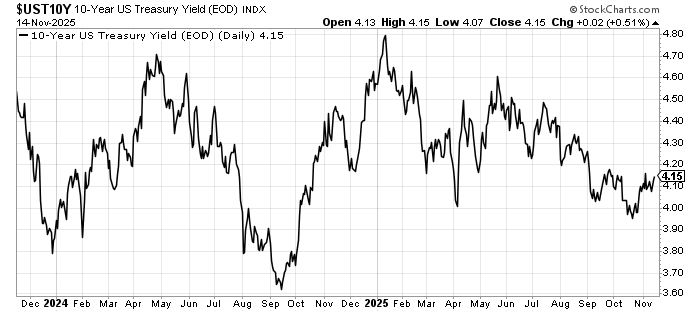
    Bond markets reacted immediately. Treasury yields climbed, reflecting the likelihood that policy will remain tighter for longer. Equities wobbled, before regaining some ground later in the week.

    The risk of a stagflationary mix—stubborn inflation and slowing growth—is rising. That combination historically favours real assets (gold, commodities) and inflation-linked bonds over traditional fixed income.
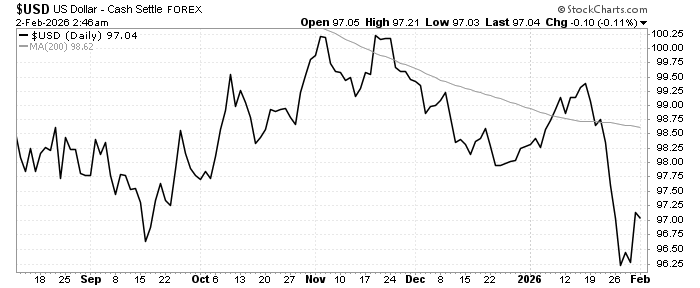
    Equities may remain range-bound until markets gain clarity on the Fed’s path. Interestingly, the US Dollar strength remains under pressure despite reasons for the Federal Reserve to hold.

    In short, the CPI release reinforces the message that the Fed’s fight against inflation is far from over. Investors should be cautious about positioning portfolios too aggressively for imminent policy easing.

    China’s July Data: Momentum Slips Again

    China’s July economic numbers painted a disappointing picture. Retail sales slowed, reflecting weak consumer confidence and a still-cautious household sector. Industrial production lost momentum, despite earlier government support measures. Fixed asset investment also cooled, pointing to fading stimulus from infrastructure and property.

    Taken together, the data shows that China’s recovery remains uneven and vulnerable. Domestic demand is subdued, exports are struggling against weaker global trade, and the property sector continues to drag on growth.

    Markets ignored the weakness, probably looking towards more measures from Beijing.

    U.S.–Russia Talks: A Glimmer of Diplomacy

    In the geopolitical arena, reports confirmed that U.S. and Russian officials engaged in direct discussions over Ukraine. President Trump signalled openness to exploring a negotiated settlement, although no concrete outcomes were announced.

    Markets, however, seized on the development as a tentative positive. European equities rallied modestly, with investors hoping that any step toward easing conflict could reduce energy and security risk premiums. Monday’s meeting with Ukraine’s President should be another step towards a three-way meeting that should pave way for a roadmap to a permanent peace in Ukraine.


  • Jittery July Jobs Report

    The Bureau of Labor Statistics reported that the U.S. economy added just 73,000 jobs in July, far below expectations. More concerning were the massive downward revisions: 258,000 jobs were revised downward for the prior two months, with economists calling these revisions “stunning”. President Trump reacted by firing the Bureau of Labour Statistics commissioner.

    Breaking down the revisions: the U.S. created just 33,000 jobs total in May and June after the adjustments, painting a picture of a labor market that has essentially stalled since spring 2025.

    Sector-Specific Trends

    The job gains and losses show clear patterns:

    • Government employment continues to decline, down 12,000 for the month and 84,000 since its January peak, partially attributed to efficiency initiatives
    • Professional and business services lost 14,000 jobs
    • Healthcare, retail trade, and social assistance showed some gains, but not enough to offset weakness elsewhere

    Historical Context and Pattern Recognition

    Looking back to January 2025, we see a deteriorating trend. The U.S. economy added 143,000 nonfarm payroll jobs in January, which already fell short of consensus expectations of around 175,000 jobs. The progressive weakening from 143,000 in January to essentially flat job growth in May/June and only 73,000 in July suggests a clear deceleration in hiring.

    Financial Market Indicators and Recession Signals

    1. No Yield Curve Inversion: The difference between the 10-year and 2-year yields rose despite the worse than expected data. Markets are expecting the Fed to cut rates while assuming no recession.
    2. Housing equities bucked the trend: Stocks were generally weaker across sectors after the dismal report, with the exception of Healthcare, Staples and Utilities. Surprisingly, housing and home improvement stocks gained. If the labour market is to deteriorate further, big tickets items should get hit, but that’s not what we are seeing.
    3. US dollar fell: In response to expectations of more Fed’s cuts, the US dollar fell.

    Economic Outlook and Implications

    Several factors point to continued challenges:

    1. Momentum Loss: The sharp deceleration in job growth and massive revisions suggest the labor market lost momentum much earlier than previously recognized.
    2. Business Sentiment: ISM surveys on employment have been weak. The hard data is confirming. The weak hiring suggests companies are acting like “they’re in a recession”, pulling back on expansion plans and new hires. The good news is that layoffs are not accelerating. The trend of unemployment insurance claims remains steady.

    Near-Term Risks and Considerations

    1. Recession Probability: Prediction markets did not indicate a significant rise in recession risk, still at a 15% chance of a recession in 2025 for the US economy.
    2. Policy Response: Markets will closely watch the Fed’s response. Easing of interest rates can help ease the financial constraints and allow the continuation of the economic expansion, providing a buffer to a weaker hiring outlook.
    3. Market Response: How will cyclical sectors like housing and banking perform in the next few weeks will determine if the risk of a bear market and hence recession has increased.


  • Market Wrap for the Week Ending 25 July 2025

    US-EU Trade Deal

    On July 27, 2025, the EU and US announced a trade deal to stabilize transatlantic commerce, finalized at Trump’s Turnberry golf course. The agreement sets a 15% tariff on most EU goods exported to the US, lower than the threatened 30% but higher than the current 10%, potentially generating $90 billion in US revenue.

    The EU will invest $600 billion in the US and purchase $750 billion in US energy (LNG, oil, nuclear fuels) over three years, boosting US industries and replacing Russian energy imports. Zero tariffs apply to aircraft, semiconductors, generic drugs, and some agricultural products, though pharmaceuticals may face higher tariffs, creating uncertainty.

    European futures markets reacted positively. The agreement aligns with similar US deals, like Japan’s 15% tariff framework. It would seem that a 15% base rate will be applied to all nations.

    US Treasury Yields Stable

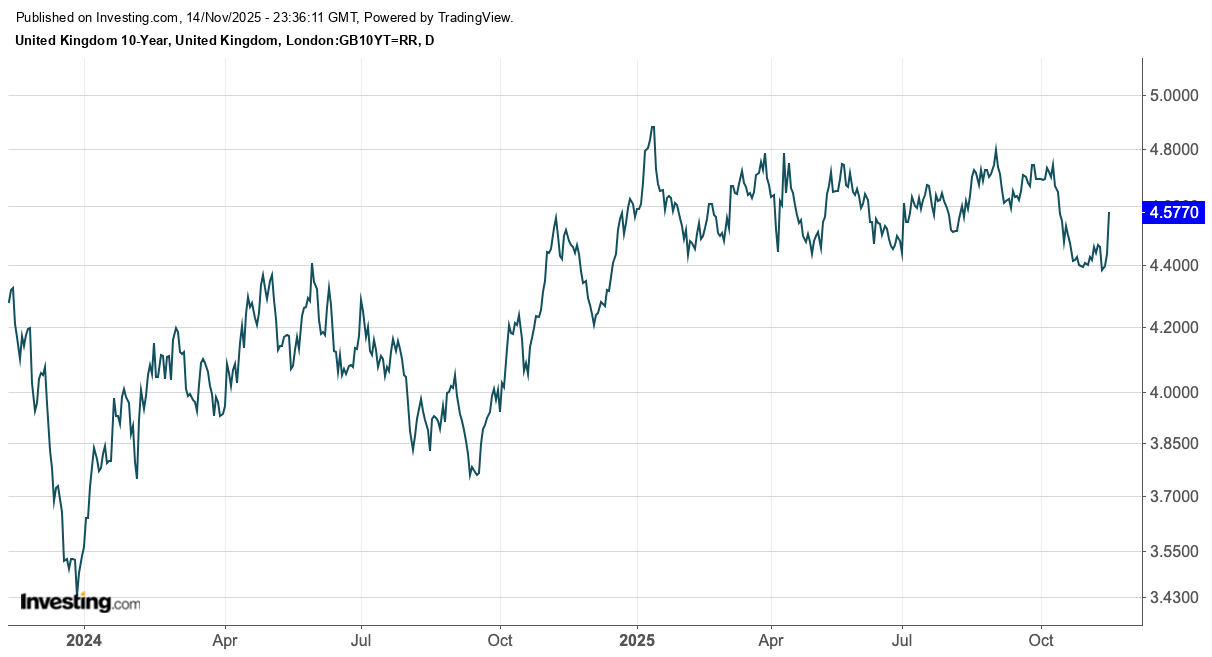
    US Treasury bond yields have stabilized over the past month, with the 10-year yield at 4.39% and the 30-year at 4.93% as of July 25, 2025, showing minimal fluctuations. This follows a period of volatility driven by policy uncertainty and tariff announcements. Stabilization is attributed to a resilient economy, with steady labor market data reducing expectations for Federal Reserve rate cuts. Mixed foreign demand for Treasuries, coupled with sufficient interest at current yield levels, supports market balance. Concerns over rising government debt and potential inflation from tariffs have eased, though investors remain cautious. The Fed’s focus on anchoring inflation near 2% further contributes to this stability. While short-term yields are influenced by Fed policy, longer-term yields reflect expectations of sustained economic growth and moderate inflation.

    US Recession Risk Drops

    Recent economic data and prediction markets indicate a reduced risk of a US recession in 2025. Polymarket, a leading prediction platform, shows recession odds dropping to 18% in July 2025, down from a high of 70% in April. This shift reflects growing optimism driven by stabilizing economic indicators.

    The Atlanta Fed GDPNow model is forecasting Q2 GDP coming in at 2.4%. Retail sales and industrial production have come in better than expected. Consumer confidence has risen, supported by stable job openings and household spending.  J.P. Morgan lowered its recession probability from 60% to 40%, citing de-escalating trade tensions. Corporate earnings have also been resilient, countering bearish narratives.

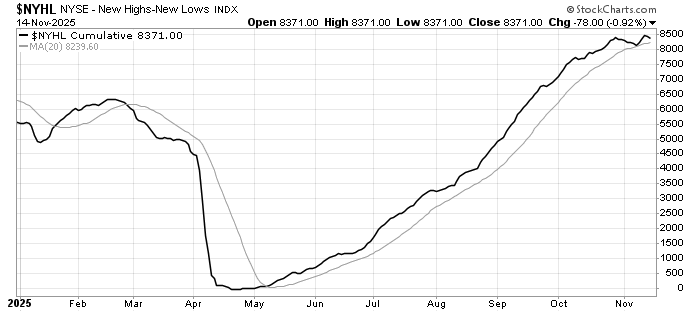
    Stock Markets Making New Highs

    With tariff uncertainty fading, investors are bidding up equities as confidence returns. US, Japan, UK, and EM stocks are making new highs. With global monetary policy easing slightly (with only the FED holding out for now), the outlook continues to improve.


  • Pressure on the Federal Reserve Chair

    The Trump administration has intensified pressure on Federal Reserve Chair Jerome Powell to resign, raising serious concerns about central bank independence. President Trump has called for Powell to “resign immediately” and launched a multi-faceted pressure campaign that includes accusations about Fed headquarters renovation mismanagement. This development introduces a new layer of political risk for financial markets, with Treasury Secretary Scott Bessent confirming that “a formal process that’s already starting” to replace Powell. The outcome—whether Powell serves out his remaining 11 months or steps down early—could materially affect the US dollar, Treasury yields, and broader asset allocations. Financial advisors should prepare clients for volatility and consider potential shifts in monetary policy direction.

    Legal and Political Context

    While President Trump has stated it is “highly unlikely” he would fire Jerome Powell, the focus has shifted to pressuring Powell to resign voluntarily. Federal Reserve Chair terms are designed to insulate monetary policy from political interference, and the legal precedent for removing a Fed Chair is limited. Powell’s term runs until in May 2026, creating urgency around whether he will complete his tenure or step down under mounting political pressure. The administration’s strategy appears focused on making Powell’s position untenable rather than pursuing outright termination.

    Why Central Bank Independence Matters

    The independence of the central bank is essential for ensuring that monetary policy is trusted and effective. When the Fed operates free from political interference, it can focus on its long-term goals of controlling inflation and the labour market—even when those goals conflict with short-term political interests.

    Why it matters for markets:

    • Inflation Control: Independent central banks are more likely to raise interest rates to fight inflation, even if it’s unpopular. This maintains purchasing power and economic stability in the long run but may slow the economy in the short term.
    • Credibility and Confidence: Markets trust that monetary policy decisions are based on data, not politics. This anchors inflation expectations and reduces volatility.
    • Lower Long-Term Rates: When markets trust the central bank, risk premiums on long-term bonds stay lower, reducing borrowing costs for households and businesses.

    Turkey and Argentina are examples where political control over central banks led to runaway inflation, currency collapses, and capital flight. Markets are now watching closely to ensure the U.S. doesn’t follow a similar path. 

    Scenario 1: Powell Stays On

    Implications:

    • Central Bank Independence Preserved: Markets retain confidence in policy continuity and inflation control despite political headwinds.
    • Monetary Policy Outlook: The Fed remains data-dependent with Powell likely to maintain current policy stance through his remaining term.
    • Market Reaction: Relative stability expected, though political noise may create periodic volatility. US dollar is likely to maintain its downtrend against most major currencies on the relative unattractiveness of US fiscal policies and Trump’s America First policies.

    Investment View:

    • Supports maintaining current duration positioning in fixed income portfolios.
    • USD weakness over time favour non-USA equity allocations and emerging market exposure.

    Scenario 2: Powell Resigns or Is Removed

    Key Risks:

    • Immediate Market Shock: Sharp US dollar depreciation likely as central bank independence concerns mount.
    • Treasury Yield Volatility: Loss of policy credibility may push long-dated yields higher due to rising inflation risk premiums.
    • Equity Market Disruption: Initial broad-based sell-off expected due to higher uncertainty.

    Monetary Policy Impact:

    • A Trump-aligned Fed Chair may pursue more aggressive rate cuts.
    • Potential erosion of inflation-fighting credibility and increased long-term inflation expectations.

    Investment View:

    • Consider implementing US dollar hedging strategies in multi-asset portfolios.
    • Increase allocation to non-USA assets, inflation-linked securities and real assets (commodities).

    Likely Successors to Powell

    Current speculation centers on several candidates, with Treasury Secretary Scott Bessent receiving significant backing from both inside and outside the administration:

    • Scott Bessent (Treasury Secretary): Closest political alignment with Trump agenda, but markets view him as relatively pragmatic on monetary policy.
    • Kevin Warsh: Former Fed governor known for advocating faster policy adjustment cycles and market-oriented approaches.
    • Kevin Hassett (Director of the National Economic Council): Outspoken Powell critic with strong alignment to Trump’s economic philosophy.
    • Christopher Waller (Current Fed governor): offers policy continuity, though considered politically unlikely given administration preferences.

    The successor choice will signal the administration’s monetary policy priorities and significantly influence market expectations for future Fed behaviour.

    Conclusion

    Powell’s fate has evolved from a personnel matter to a significant source of systemic risk with tangible market implications. His continued leadership through early 2026 would help anchor market confidence in Fed independence, while his early departure could provoke substantial volatility and fundamental shifts in monetary policy expectations. Given that formal replacement processes are already underway according to Treasury Secretary Bessent, investors should remain highly alert to developments and be prepared to adjust client portfolios tactically if political uncertainty escalates further. The next few months will be critical in determining both the immediate market impact and longer-term implications for central bank independence in the United States.

  • Market Wrap for the Week Ending 11 July 2025

    1) Global Stock Markets

    Major indices retreated: the Dow fell ~1% (~279 pts), S&P 500 dropped 0.3% (~21 pts) to 6,259.8, and the Nasdaqslipped ~0.1% to 20,585.5. The Russell 2000 led losses for the week with a 1.3% decline . Still, YTD, these benchmarks remain ahead: +6.4% (S&P), +6.6% (Nasdaq), +4.3% (Dow) .

    Europe
    Despite a weaker closing on Friday, pressured by weak UK GDP and a potential tariff letter from Trump,  European equities were up 1.8% for the week with the EURO Stoxx 50 closing at 5383.48.

    China
    Reactions were muted: the Shanghai Composite showed modest weekly gains (+1.1%), as markets digested mixed GDP/retail data and anticipated further stimulus .


    2) Government Bonds – Week Ending July 11, 2025

    US treasury yields climbed, especially on long-dated paper: 10‑yr yields breaching 4.4%. European sovereign bonds (e.g., German Bunds) sold off in tandem too.


    3) Key Market-Moving Events

    1. U.S. Tariff Escalation: President Trump announced a 35% tariff on Canadian imports (effective Aug 1), potential 15–20% “universal” tariffs, plus threat of 50% on copper and duties on pharma.
      • Impact: Stocks and bonds slipped in tandem amid trade jitters; small-caps led losses; DAX, CAC, FTSE pulled back; some safe‑haven commodities (gold, bitcoin) rallied.
    2. Chinese Data & Stimulus Hopes: Slower-than-expected retail sales and steady GDP prompted expectations of further fiscal or monetary easing .
    3. Corporate Earnings & Tech Surge: Tech giants like Nvidia surged (now ~$4 trillion market cap), keeping indices afloat despite broader weakness; earnings front-loaded next week (e.g., JPMorgan) .

    4) Focus: Market Complacency & Sentiment

    VIX: Remains subdued: trading in the 15–18 range, under its historical norm, but higher than the lows reached in 2024.


  • Market Wrap For The Week Ending 4 July 2025

    US Equities Scale New Heights Despite First-Half Headwinds

    US stock markets closed the week on a triumphant note, with major indices reaching fresh all-time highs despite the significant challenges that defined the first half of 2025. The S&P 500 extended its remarkable run, adding 1.7% for the week. This performance underscores the market’s remarkable resilience and adaptability in the face of persistent geopolitical tensions, monetary policy uncertainties, and global economic headwinds that characterised the opening months of the year.

    The sustained rally reflects investor confidence in corporate earnings growth and the underlying strength of the US economy. Technology stocks continued to lead the charge, with the sector’s momentum showing no signs of abating despite periodic concerns about valuations and regulatory pressures. One notable weakness, especially for international investors is the impact of a weak US dollar. In S$ terms, the S&P 500 is still in the red for the year.

    Labor Market Resilience Confounds Pessimistic Forecasts

    The US labor market continued to defy widespread predictions of deterioration, maintaining its robust performance through the first half of 2025. Employment data released during the week reinforced the narrative of a surprisingly durable jobs market, with unemployment rates remaining near historic lows and wage growth showing sustained momentum. This strength has been particularly notable given the numerous headwinds facing the economy, including trade tensions, geopolitical uncertainties, and the Federal Reserve’s non-easing stance.


    OPEC Supply Increase Signals Amid Oil Price Weakness

    In a surprising development that caught energy markets off guard, OPEC announced plans to increase oil supply despite the prevailing environment of weak crude prices. Despite concerns about demand, OPEC seems confident about market’s ability to absorb the extra supply as seen from Saudi’s hiked premiums for its flagship crude to customers in Asia.

    Trade Tensions Loom as Tariff Deadline Approaches

    Markets are bracing for potential volatility as a critical trade policy deadline approaches, with a temporary suspension of punitive import levies set to expire in the coming week. This development has created a significant watchpoint for investors, as the resolution of these trade tensions could materially impact global supply chains, corporate earnings, and market sentiment in the second half of 2025.

    The trade uncertainty adds another layer of complexity to an already challenging global economic environment. Investors will be closely monitoring Washington’s policy decisions, as any escalation in trade tensions could disrupt the current market momentum and force a reassessment of risk assets across various sectors. Conversely, a resolution or extension of the suspension could provide additional tailwinds for the ongoing equity rally. As usual, the sound bytes coming out of the White House is not consistent: Trump says no extension, while Bessent hints extensions.

  • Market Wrap: Week Ending June 27, 2025

    S&P 500 and Nasdaq Hit Record Highs as Market Breadth Shows Signs of Improvement

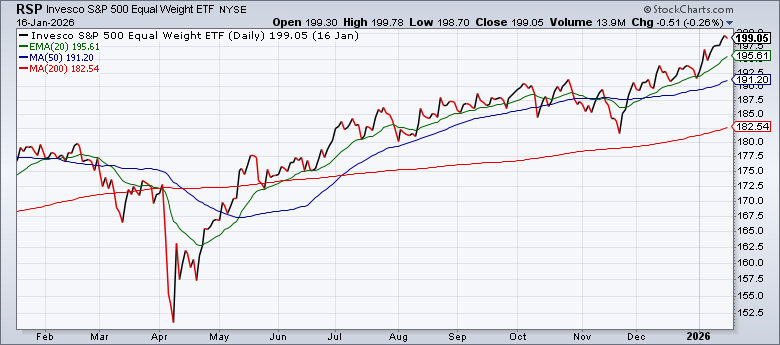
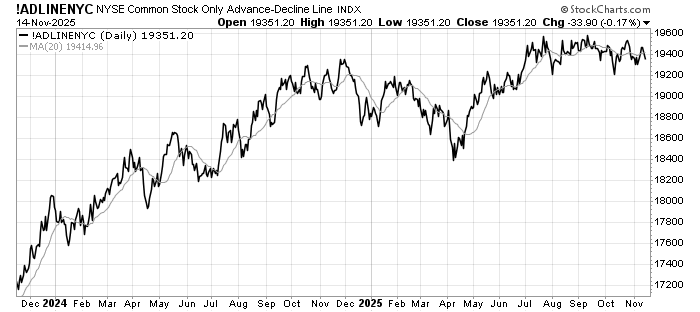
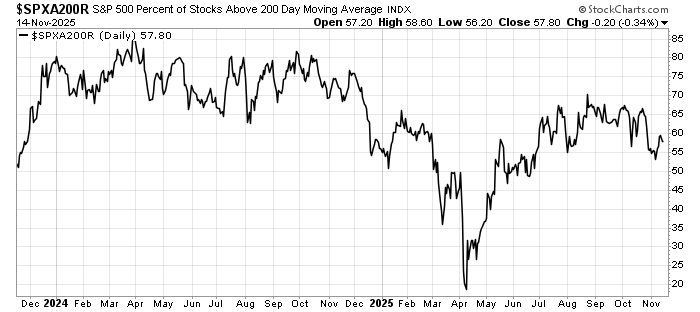
    The S&P 500 closed Friday at 6,173.07, marking a new record high, while the Nasdaq also reached record closing levels as investors brushed aside trade concerns. The broad rally capped a strong week that saw major indices shrug off mid-week volatility to finish at all-time highs. Encouragingly, market breadth indicators suggest broader participation is returning after months of concern, offering hope for more sustainable gains.

    July 9 Trade Deadline Looms Without Clear Resolution

    The much-anticipated July 9 trade deadline approaches with mixed signals from Washington. While no definitive agreements have been reached, recent developments suggest potential flexibility in enforcement. “No, we can do whatever we want,” Trump said at the White House when asked if his deadline was set in stone. “We could extend it. We could make it shorter.” Markets have shown resilience to trade-related headlines this week, suggesting investors are either pricing in favorable outcomes or becoming desensitized to the ongoing uncertainty. The VIX continues to trend lower.

    Nvidia Powers Higher on Middle East AI Expansion

    Nvidia secured major AI deals during recent Gulf state visits, including selling hundreds of thousands of AI chips to Saudi Arabia, with an initial 18,000 “Blackwell” chips going to Humain, a new AI startup launched by the Saudi sovereign wealth fund. The U.S. also has a preliminary agreement allowing the UAE to import 500,000 of Nvidia’s most advanced AI chips per year starting in 2025. These geopolitical AI partnerships represent a significant expansion of Nvidia’s addressable market and underscore the strategic importance of semiconductor technology in international relations. The stock’s breakout reflects not just strong fundamentals but also the company’s central role in global AI infrastructure development.

    Oil Retreats to $60s as Middle East Tensions Ease

    Oil prices fell 6% on Tuesday to settle at a two-week low, as the ceasefire between Israel and Iran reduced expectations of Middle East supply disruptions. The dramatic retreat from recent highs provides welcome relief for inflation-sensitive sectors and consumers. The geopolitical risk premium that had pushed oil higher earlier in the month has largely evaporated, with markets now focusing on fundamental supply-demand dynamics. The return to $60s pricing removes a key headwind for economic growth and gives central banks more flexibility in their policy decisions.

    Looking Ahead

    The coming week brings critical inflection points across multiple market drivers. The July 9 trade deadline will test market resilience, while earnings season approaches with heightened focus on AI beneficiaries and their ability to justify lofty valuations. The improvement in market breadth indicators suggests the rally may be gaining broader support, which could provide a more sustainable foundation for continued gains. With geopolitical tensions subsiding and oil stabilizing, attention returns to fundamental earnings growth and Federal Reserve policy as primary market catalysts.


  • Market Wrap for Week Ending 13 June 2025

    Iran-Israel Tensions

    The Israel-Iran conflict’s immediate impact is heightened oil prices and market volatility, with risks of broader economic disruption if escalation continues. Diplomacy or limited retaliation could stabilize markets, but a wider conflict involving oil infrastructure or the Strait of Hormuz could lead to severe global economic consequences, including inflation, supply chain disruptions, and recession risks. Iran’s weakened proxies, degraded military infrastructure, leadership losses, and economic constraints makes a restrained response more likely than a large-scale counterattack. Should Israel stick to targeting nuclear facilities, it is likely that the conflict remains contained.

    US Inflation Easing

    The latest US Consumer Price Index (CPI) report for May 2025 shows inflation rose 0.1% month-over-month, slightly below the expected 0.2%. Over the past 12 months, the CPI increased by 2.4%, matching estimates. Core CPI, excluding food and energy, also rose 0.1% monthly, below the expected 0.3%, with a yearly increase of 2.8%. Shelter and food prices each went up 0.3%, while energy prices dropped 1.0%, driven by lower gasoline costs. This suggests inflation is cooling slightly and tariff concerns have yet to push prices higher. The FED has slightly more room to ease rates.

    US-China Trade Truce

    The U.S.-China trade truce, agreed upon in London on June 10-11, 2025, is a temporary measure to ease escalating trade tensions. Following a preliminary deal in Geneva in May, this framework seeks to reduce economic friction by scaling back punitive tariffs and restrictions. The U.S. will keep tariffs on Chinese goods at 55%, down from a high of 145%, while China will lower its tariffs on U.S. goods to 10% from 125%. This includes a contested 10% baseline tariff currently under legal review in the U.S. The agreement, however, is limited in scope and awaits final approval from President Donald Trump and Chinese President Xi Jinping, with no guarantee of resolving deeper trade disputes.

    As part of the truce, China has committed to loosening export controls on rare earth minerals and magnets, which are vital for U.S. industries like automotive and defense. In exchange, the U.S. will ease restrictions on technology exports and visa limitations for Chinese students. Despite these concessions, the deal is seen as a stopgap, with logistics firms and retailers warning that the 55% U.S. tariff still threatens supply chains, jobs, and businesses. The truce is set to hold until at least July 9, 2025, when a 90-day tariff pause expires, potentially leading to renewed tariff hikes if negotiations falter.

    US Stock Market Response To Trade Fading

    Since Liberation Day, US stock market volatility has fallen as trade negotiations, legal challenges and Trump’s electorate constraints have limit the impact on investors’ risk appetite. The VIX index has fallen steadily since that fateful day, with lower highs. It would seem that investors are moving on to geo-politics and the inflation/interest rate narratives for the next few quarters.

  • Market Wrap for the Week Ending 6 June 2025

    European Central Bank Rate Decision

    The European Central Bank delivered its third rate cut of 2025, reducing rates by 25 basis points to 2%. The ECB hinted at a pause in its year-long easing cycle after inflation finally returned to its 2% target. ECB President Lagarde signalled a cautious stance going forward, with the bank maintaining its 0.9% growth forecast for 2025 despite ongoing trade policy uncertainties. European stocks and the euro are loving it.

    US-China Trade Talks

    Financial markets showed muted reactions to President Trump’s “very good” 90-minute trade discussion with China’s Xi Jinping, with both leaders agreeing to mutual visits, as traders have grown accustomed to Trump’s volatile trade negotiations and remain unfazed even by rising concerns over Chinese rare earth mineral shortages.

    President Trump sent countries a draft letter on 3 June requesting their best trade proposals across tariffs, quotas for US products, and non-tariff barrier remedies. Reuters reported that the document reflects urgency within the administration to complete deals ahead of their tight July 9 deadline, supporting analysts’ view that Trump’s tariff team seeks to resolve trade tensions quickly and move the issue out of public focus. Stock investors have increasingly aligned with this assessment since April 9 when Trump delayed reciprocal tariffs for 90 days, while also showing greater confidence in the underlying economic outlook.

    US Debt Dynamics

    The 10-year US Treasury yield dropped to 4.36% today as bond investors focused on weaker-than-expected economic data from ADP private payrolls and ISM nonmanufacturing reports, while largely ignoring political tensions over federal spending. Despite Elon Musk’s harsh criticism of President Trump’s spending bill as a “disgusting abomination” and the Congressional Budget Office projecting the legislation could add $2.4 trillion to the deficit over a decade (with some estimates reaching $3-5 trillion), bond markets showed no signs of the debt crisis fears that had emerged just days earlier. Instead, investors appeared to prioritise the immediate economic data suggesting potential weakness, driving demand for Treasuries, though analysts maintain confidence in the underlying economic resilience despite these mixed signals.

    US Jobs Market

    This week’s standout economic data was the May jobs report, which showed employers added 139,000 jobs—beating expectations and pushing the three-month average to 135,000. However, the positive headline was dampened by significant downward revisions totaling 95,000 jobs for March and April combined.

    The job growth showed concerning concentration, with just two sectors accounting for most of the gains: leisure and hospitality added 48,000 jobs while healthcare and social assistance contributed 78,000. This narrow hiring pattern across sectors will be important to monitor in coming months.

    US Stock Market Recovery

    Despite the uncertainties on Trump’s trade and budget policies, the economy continues to muddle along and risk of recession continues to fall. Prediction markets now puts the odds of a recession at 26%, down from a high of 66% back in April 7. The S&P 500 is close to its all time high made in mid-February.