Blog

  • Market Wrap for the Week Ending 7 March 2025

    US economic risk now higher.

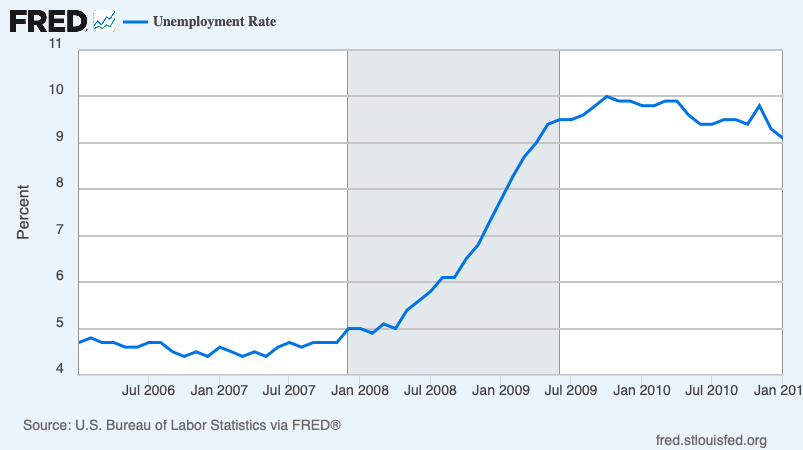
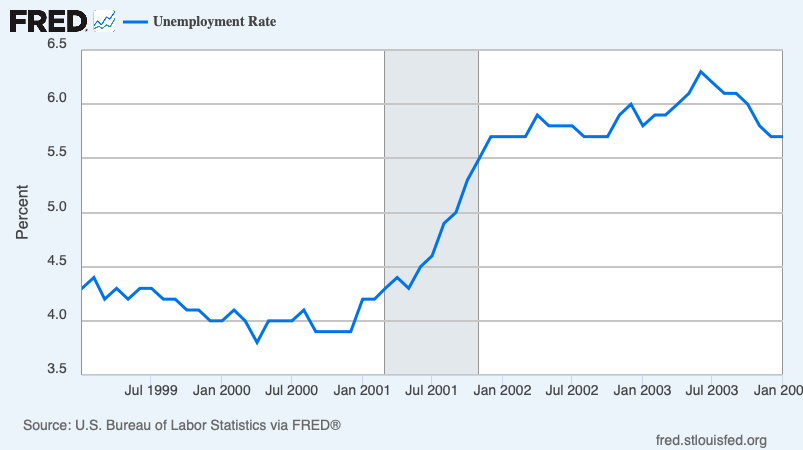
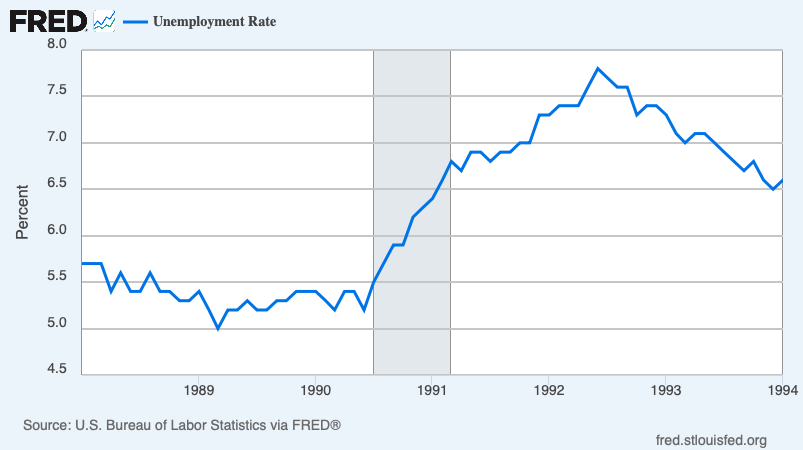
    The risk of a U.S. recession has increased compared to two weeks ago, based on recent economic indicators and forecasters:

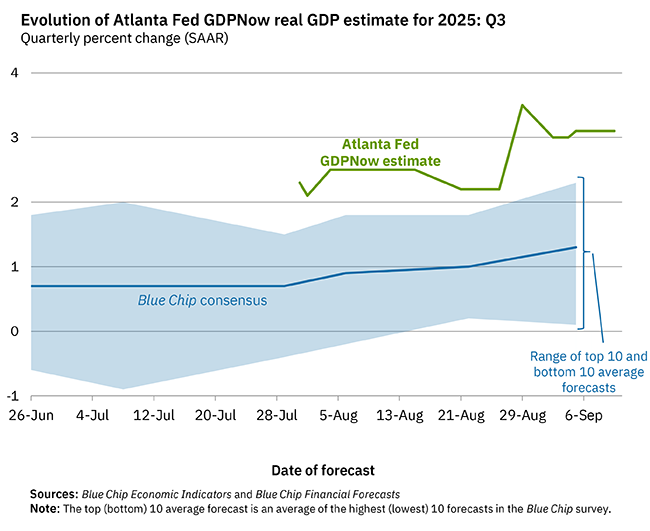
    Morgan Stanley and Goldman Sachs have both revised their U.S. GDP growth forecasts downward for 2025, citing factors such as tariffs and inflationary pressures. Goldman Sachs also raised its 12-month recession probability to 20% from 15%. Meanwhile, the Atlanta Federal Reserve’s model predicts negative GDP growth for Q1 2025, signalling a potential contraction.

    The reason for the negative print was a sharp increase in imports, which subtracted significantly from GDP. Specifically, imports surged by 29.7%, leading to a -3.72% impact on GDP. This spike was largely attributed to businesses stockpiling goods ahead of anticipated tariffs, which inflated import levels temporarily.

    Prediction markets have raised the probability of a 2025 recession to 40%, up sharply in recent weeks. Financial market models from JPMorgan and Goldman Sachs also show increasing recession probabilities, with JPMorgan’s market-implied risk climbing to 31% from 17% in November.

    Consumer and Business Sentiment: Consumer confidence has declined, with the Conference Board’s Expectations Index falling below recession-warning levels for the first time in eight months. Business uncertainty related to tariffs is also starting to show up in the surveys but the ISM PMIs remain resilient for now. Services PMI for February came in at 53.5, higher than the previous 52.8. Manufacturing slipped to 50.3 from 50.9

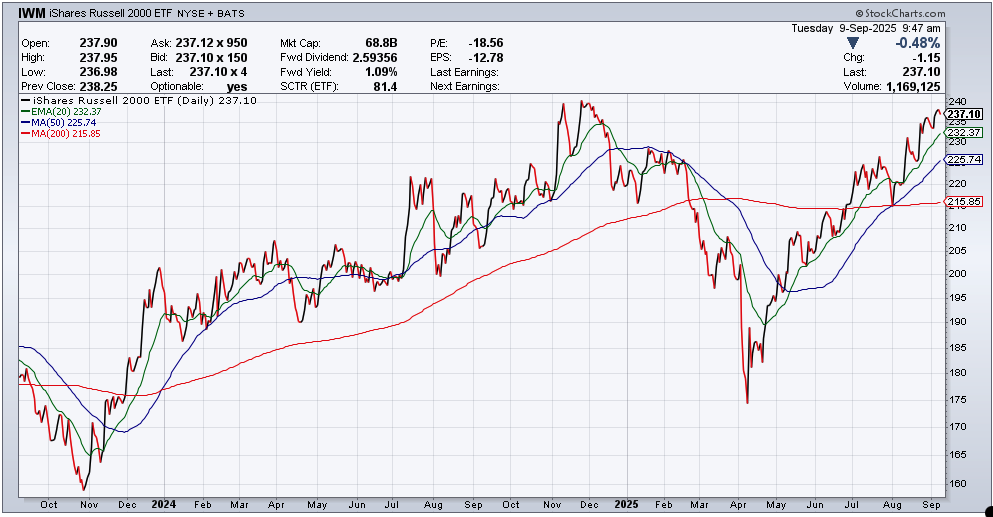
    Overall, these factors suggest that the likelihood of a U.S. recession has risen over the past two weeks. With US stock markets richly valued, investors are right to be jittery. How markets recover from the sell off over the next few weeks will be crucial to the longer term outlook.


  • Market Wrap for the Week Ending 7 Feb 2025

    1. U.S. Tariffs and Rising Trade Tensions

    – The U.S. announced new tariffs, including 25% duties on steel and aluminum imports, targeting key trade partners such as the EU, China, India, and Brazil.
    – While these measures raised concerns over escalating trade tensions, temporary exemptions were granted to Mexico and Canada, offering some relief.

    2. U.S. Economic Data

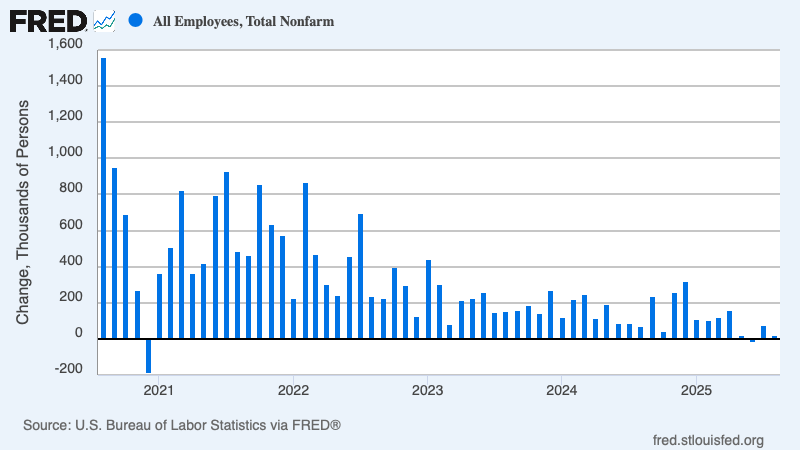
    – Jobs Report: The U.S. added 143,000 jobs in January, below the expected 175,000. However, upward revisions for prior months and a slight drop in unemployment to 4.0% signaled continued labor market resilience.
    – Inflation Concerns: The University of Michigan reported one-year inflation expectations at 4.3%, the highest since late 2023, raising concerns about persistent price pressures.

    3. Corporate Earnings – A Mixed Bag

    So far, 62% of S&P 500 companies have reported their Q4 2024 earnings. Of these, 77% have beaten earnings per share (EPS) estimates—matching the 5-year average but slightly above the 10-year average of 75%. On average, earnings have come in 7.5% higher than expected, which is lower than the 5-year average of 8.5% but better than the 10-year average of 6.7%. The historical averages are based on results from all 500 companies, not just those that have reported so far. (Factset)


    U.S. Financial Market Performance

    Major Indexes (Week Ending February 9, 2025)
    – S&P 500: -0.24%
    – Nasdaq 100: +0.06%
    – Dow Jones: -241 points (-0.7%)

    Sector Highlights
    – Technology: Volatile due to concerns over trade restrictions and AI competition.
    – Energy: Declined as oil prices fell for a third consecutive week.

    Fixed Income & Commodities
    – Treasury Yields: Held steady despite market turbulence.
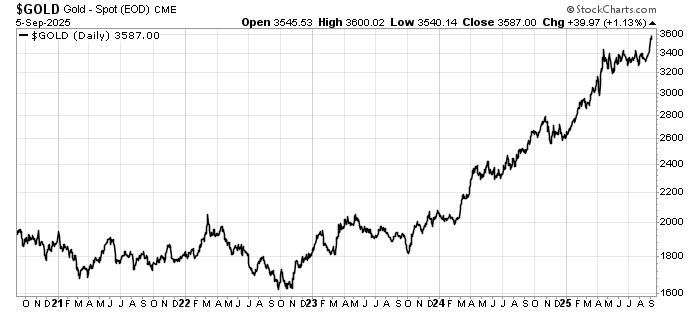
    – Gold: Gained for the sixth straight week (+1.2%) as investors sought safe-haven assets amid trade uncertainty.

    Developments in China

    1. China’s Retaliatory Trade Measures

    – China responded to U.S. tariffs with its own levies (10%-15%) on American goods, including coal, LNG, crude oil, machinery, and vehicles.
    – Beijing also imposed export controls on critical minerals like tungsten, tellurium, and bismuth, citing national security concerns.
    – U.S. companies PVH Group (Calvin Klein, Tommy Hilfiger) and Illumina Inc. were added to China’s “Unreliable Entity List,” restricting their operations in the country.
    – China launched an antitrust investigation into Google and filed a complaint with the WTO against the U.S.’s trade policies.

    2. Economic Stimulus Measures and Data

    Despite trade tensions, China’s economy showed signs of stabilization, helped by monetary easing and support for the property sector.

    Key Economic Indicators:
    – Inflation: Consumer prices rose 0.5% year-over-year in January, driven by Lunar New Year spending. This marks the first acceleration in inflation since August 2024.
    – Producer Prices: PPI fell 2.3% year-over-year, extending its streak of industrial deflation to 28 months.
    – Credit Growth: New yuan loans totaled CNY 990 billion in January, with total social financing reaching CNY 2.86 trillion.
    – Vehicle Sales: Surged 10.5% year-over-year, signaling a rebound in demand for durable goods.
    – Caixin Services PMI: Fell to 51.0 in January (from 52.3 in December), reflecting slower expansion in the services sector despite holiday-related boosts.


  • Market Wrap for the Week Ending 17 Jan 2025

    American economic resilience remains intact

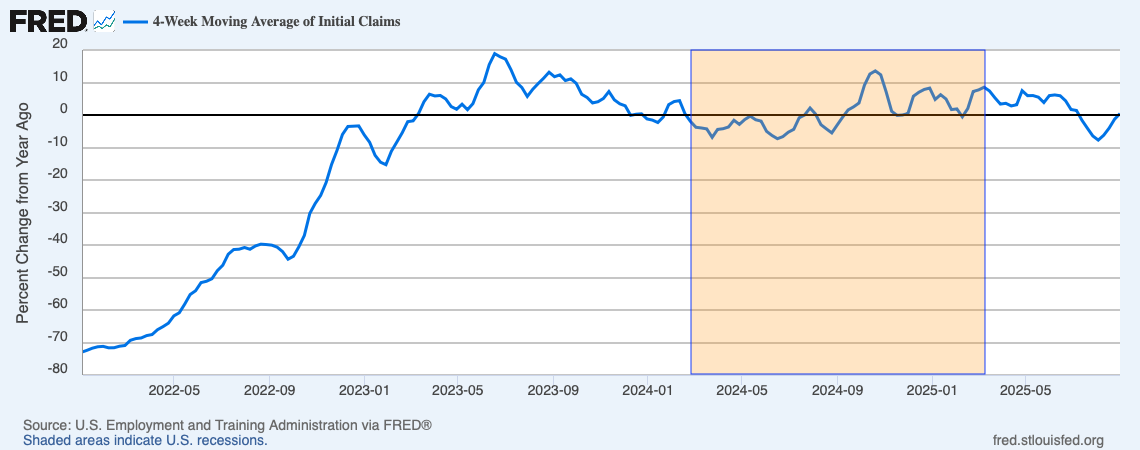
    A slew of economic data continues to indicate that the US economy remains in an expansionary mode. Industrial production, housing starts, and retail sales all improved. Continuing jobless claims fell, signalling the ongoing resilience of the labour market. The Atlanta Fed’s GDPNow is at a strong 3% for Q4 2024.

    Earnings update: Financials are strong

    US banks reported bumper results for Q4. The level of optimism is also high. This raises the odds of a sustainable economic expansion as credit flows through the economy.

    Small businesses are more confident

    The NFIB index rose again. The turnaround in confidence is not a knee jerk reaction to a Trump win. It appears that small business owners expect positive change from the new administration, helping to boost business. Hiring and spending plans are likely to improve.

    Inflation concerns ease

    A slight improvement is enough to send sentimental higher. While core CPI beat estimates, CPI came in line with expectations. The Cleveland Fed’s Inflation Nowcasting continues to show low risk of inflation accelerating for Jan 2025.

  • Market Wrap for the Week Ending 10 Jan 2025

    Rocky start to the new year.

    S&P 500 is down 0.93% year to date, down about 4.5% from its last peak in mid-December.

    The biggest driver is the move in bond yields, with the UST10Y rising to 4.76% as  stronger than expected jobs report tamper expectations of a FED rate cut.

    How should investors think about this?

    In my opinion, investors ought to consider 1) if the FED does not cut rates anymore, will it lead to a bear market in stocks and an economic recession? 2) will a 4.7% or even 5% bond yield lead to a recession and bear market in stocks?

    Bond yields are rising because the US economy is not slowing down sufficiently. Non-farm payrolls for Dec came in at 256K versus expectations of 160K and the previous reading of 212K.The unemployment rate fell, from 4.2% to 4.1%. ISM Services PMI registered 54.1 versus expectations of 53.3 and the previous 52.1. The Atlanta FED’s GDPNow for real GDP growth is 2.7%.

    The US economy did fine in 2023 and 2024 when the 10Y rate was ranging between 3.5% and 5%. Unless we see signs that the yield is breaking above the 5% range, it is not time to worry about the impact of higher rates on the economy.

    Still, investors should respect the signals generated by markets. For now, despite the weakness in market breadth and a correction in the index, the broad trend remains up so long as the 50dMA is trading above the 200dMA.

    The drivers of US economic growth remains unchanged and buyers should begin to emerge as both stocks and bonds provides an attractive entry point to enter.

  • Quick Guide To Our 2025 Investment Outlook

    As we look forward to 2025, the global investment landscape is filled with both exciting opportunities and potential challenges. The U.S. economy stands out for its resilience, buoyed by strong consumer spending, technological advancements, and supportive monetary policies. In contrast, China faces a more subdued outlook due to external pressures like U.S. tariffs.

    The U.S. economy is expected to grow between 2% and 2.5% in 2025. This growth is driven by:
    – Consumer Spending: Americans are continuing to spend, which supports businesses and overall economic health.
    – Technological Innovation: Artificial intelligence (AI) is a major growth engine, with spending projected to reach $200 billion by 2025. Both large corporations and small businesses are leveraging AI to boost productivity.
    – Robust Labor Market: Although unemployment has risen slightly to 4.2%, job creation remains strong across various industries.

    With a Republican administration likely taking office in 2025, we can expect a focus on tax cuts and deregulation. These measures could create a more business-friendly environment, stimulating investment and boosting consumer confidence.

    While inflation has moderated to around 2.3%, risks of a resurgence remain due to supply chain issues and strong consumer demand. The Federal Reserve will need to carefully manage monetary policy to balance inflation control with economic growth.

    China’s GDP growth is projected to dip below 5% in 2025, primarily due to external pressures like potential tariff increases from the U.S. The Chinese government is responding with increased fiscal support, but significant economic recovery may take time.

    China’s property market continues to struggle, with state developers faring better than private ones. A full recovery in property sales and prices is not expected until at least mid-2026.

    The fixed income market will face challenges in 2025 as inflation risks could prompt the Federal Reserve to adjust interest rates unexpectedly. Investors should keep an eye on inflation trends, as they will significantly influence bond yields and market conditions.

    Gold is likely to perform well in 2025 due to safe-haven demand amid geopolitical uncertainties. In contrast, energy markets may remain subdued despite ongoing tensions in the Middle East.

    The U.S. dollar is expected to stay strong thanks to solid economic fundamentals and favourable interest rate differentials compared to other currencies.

    Geopolitical tensions, particularly in the Middle East and Ukraine, continue to pose risks but have not significantly affected global financial markets so far. Investors should remain alert to these developments as they could impact market stability.

    The U.S. stock market appears poised for a strong year ahead, with broad participation across sectors. Despite high valuations, robust earnings growth suggests that the market could continue its upward trend in 2025.

    As we head into 2025, the outlook for U.S. equities is generally positive, but it’s important for investors to stay vigilant about potential risks that could disrupt this environment. Monitoring economic indicators, geopolitical developments, and changes in monetary policy will be crucial for making informed investment decisions.


  • Market Wrap for the Week Ending 8 Nov 2024

    US Election:

    Looks like it’s a sweep by the Republicans and equity markets are loving it.

    S&P 500 is up to new highs and market breadth is solid (equal weighted index is also up to new highs). The past five trading days show broad rallies, not just the tech sector, but also industrials (+6%) and financials (+5%).

    US bond yields are rising sharply. Should investors be concerned?

    The fear that Trump may push the deficit higher is sending bond yields higher. Or could it be the result of unwinding the “hard landing” trade. After all, the US economy is doing very well of late, according to the IMF. Nonetheless, we still need to watch how the 10Y yield is behaving.

    USD is rising – certain US assets are still attractive.

    Stocks are a definitely an attractive asset for investors. US stocks are up 26% YTD while international markets are way behind, with the exception of China (super volatile and dependent on bazookas) and Taiwan (thanks to TSMC AI near-monopoly)

    Geo-politics – Pro-Isreal, Pro-America

    With the return of Trump, we could see less globalisation and more pro-America policies. This should favour American equities over international equities, worsening the underperformance of non-US equities relative to US stocks. In this context, overweighting US equities makes sense, despite the high valuation in US stocks. Of course, this works under the assumption that the economy continues to grow and interest rates are not going up. If signs emerge that the FED is thinking of raising rates or long term rates start to go beyond 4.6%, a new strategy is probably required.


  • Market Wrap for the Week Ending 11 Oct 2024

    China disappoints or investors’ hopes misplaced?

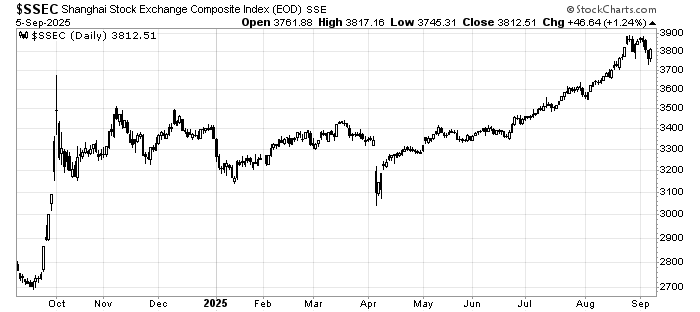
    China’s government failed to boost its economy over the past week, disappointing investors. After a week-long holiday, Chinese stocks jumped 11% on hopes for stimulus, but no new measures were announced. It subsequently lost 13% for the week, its worst drop since 2008.

    This writer remains skeptical that central bank easing and limited fiscal measures can fix China’s economy. It doesn’t make sense for China to endure the past three years of pain just to revert back to a debt driven growth model that is clearly no longer working. All China is doing is to prevent further slowdown in the economy. As for long term investment into Chinese stocks, a shift back toward capitalism (favouring private sector and foreign investors) would be needed to make it investable long-term.

    US inflation pressures remain

    According to Bloomberg, underlying US inflation rose more than forecast in September, representing a pause in the recent progress toward moderating price pressures. Investors need to taper down expectations of more rate cuts by the Federal Reserve as growth is strong and price pressures are not easing significantly.

    Middle East conflict update

    Israel is still holding back on its retaliation on Iran. There has been a lot of chatter on the potential targets, oil and missiles facilities, giving Iran ample time to prepare. It is inconceivable that Israel has not planned before hand how it will retaliate should Iran attack them. This writer continues to believe that any strike on Iran will be surgical, as Israeli forces are already stretched in the North and the West. Note how oil prices are actually weak despite rising tensions. Also, Saudi Arabia and the UAE are noticeably quiet on this matter. The writer believes there is lots of diplomatic action behind the scenes to avert and all out war in the region.


  • Market Wrap for the Week Ending 4 Oct 2024

    US Blowout Employment Report:

    The US added 254,000 jobs in September, surpassing expectations and lowering the unemployment rate to 4.1%. This stronger-than-anticipated job growth suggests that the Federal Reserve may need to keep interest rates higher for longer to avoid inflationary pressure.

    Citigroup Economic Surprise Index (CESI):

    The CESI has turned positive for the first time in five months, signaling that US economic data has consistently exceeded expectations recently. The soft landing scenario is becoming real, providing much needed support for equity investors.

    ISM Services PMI:

    The ISM Services PMI saw a significant rise, indicating continued growth in the services sector, which may further support the Fed’s “higher for longer” rate stance. Note that prices paid component is starting to swing higher.

    Middle East Escalation:

    Geopolitical tensions in the Middle East have escalated with Iran firing missiles, potentially adding to market volatility, particularly in oil prices. Although oil price climbed more than 5% since the attack, investors ought to note that oil prices are still trading within a range since the Hamas surprise attack on Israel last October.

    Chinese Stocks Rally:

    Chinese equities continue to rally alongside US stocks, though no concrete details on China’s fiscal stimulus plan have emerged. Expectations are high. A high level announcement on Tuesday can potentially disappoint or affirm the rally. The writer continues to take the view that Xi Jinping is not targeting the stock market but the economy. The goal to rein in leverage in the economy remains unchanged despite the need to prevent growth from falling below 5%. The near vertical ascent in Chinese equities makes a lot of assumptions about the scale of the measures that would be announced.


  • Market Wrap for the Week Ending 27 September 2024

    US economic revisions – GDP up 3% in Q2.

    Gross domestic product increased at an unrevised 3.0% annualized rate last quarter, the Commerce Department’s Bureau of Economic Analysis confirmed in its third estimate of second-quarter GDP.

    Gross Domestic Income, which measures economic activity from the income side, increased at a 3.4% rate last quarter, revised up from the initially estimated 1.3% pace. It rose at an upwardly revised 3.0% pace in the January-March quarter. GDI was previously reported to have increased at a 1.3% rate in the first quarter.

    This is affirmation that the US economy has stayed resilient despite high interest rates, defying the predictions of some bears that claim that the US was in fact already in a recession.

    The Atlanta FED GDPNow is forecasting Q3 GDP at 3.1%

    China big stimulus

    Xi Jinping chaired a politburo meeting and discussed economic matters. It was unusual as economic matters were traditionally discussed in April, July and December. That shows some sense of urgency as the 5% growth target seems out of reach. Importantly, boosting fiscal spending took a front seat in the read out. Still, we are awaiting details which will come out in the next few weeks. Nevertheless, investors are loving it, sending the CSI 300 up 15.7% for the week, the best performance since November 2008.

    The provision of some social security benefits to those who haven’t found a job after graduation is a policy U-turn. This should help arrest the decline in sentiment among the unemployed youths. The call for more quality jobs remains doubtful if businesses are not optimistic about the future and regulations continue to favour state enterprises.

    As for the property sector, the important policy improvement is central bank re-lending program, providing 100% of the principal. up from 60% previously. Lower mortgage rates and downpayment were also introduced. Can this help developers complete the unfinished properties, improve buyer confidence and arrest the price decline? Let’s wait for the evidence.


  • China Getting A Little Worried About Growth

    On Tuesday, 24th September 2024, the People’s Bank of China (PBOC) introduced major changes to its monetary policy aimed at boosting the economy. The central bank announced a 0.5% reduction in the reserve requirement ratio (RRR), which is the amount of cash banks must hold in reserve. This move will inject 1 trillion yuan ($142 billion) into the financial system, roughly 0.8% of China’s GDP.

    In addition, China will lower mortgage rates by 0.5%, including for existing borrowers, and reduce the downpayment requirement for second-home purchases from 25% to 15%, making it easier for buyers to enter the property market.

    To support the stock market, the PBOC will allow funds and brokers to access central bank funding to purchase stocks. A new swap facility will enable securities firms, funds, and insurance companies to obtain liquidity from the central bank to buy shares. There are also plans to offer special refinancing for listed companies and major shareholders to facilitate share buybacks.

    This comprehensive package of measures is designed to stimulate economic activity and stabilize the stock market.

    The bait has been set. Now, we wait for demand to bite.

    This writer has reasons to be doubtful that it will lead to a full fledge boom in the Chinese economy. Cheaper financing makes it easier for buyers of stock and property, on the condition that their prices DO NOT fall. If buyers do not expect prices to rise, why would they even buy with cheaper financing (although it makes it more palatable for those who have been instructed to do so). We have yet to see a turnaround in the fortunes of the property sector, where prices continue to fall. Ditto the stock market.

    So, in short, the measures are meant to arrest the slowdown in the Chinese economy. The writer still does not see a return to stellar growth for the economy, profits or the stock market. China is also not expected to sink deeper into lower growth territory.