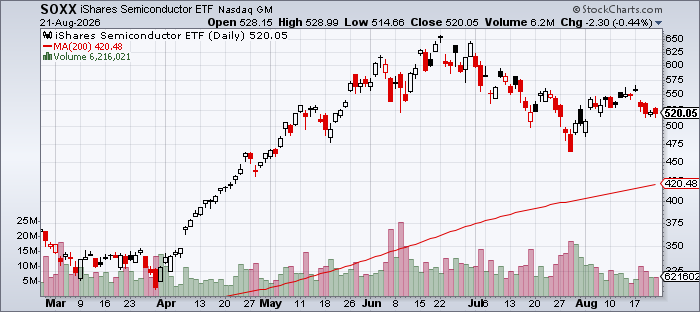
Risk appetite weakened this week, led by a sharp sell-off in semiconductors and other previous growth leaders. The S&P 500 fell 1.4%, the Nasdaq 2.4% and semiconductors 5.5%, while value stocks, emerging markets and China were more resilient. The cross-asset message was not a conventional recession scare: oil and gold rose sharply while the dollar weakened, pointing instead to a mixture of geopolitical risk, US fiscal concerns and profit-taking in expensive market leaders.
TOP THEMES THIS WEEK
1. AI spending is becoming a financial risk, not just a growth story
The scale and complexity of AI investment is becoming harder to ignore, with large technology companies taking on substantial lease commitments, long-term purchase obligations and indirect financial backstops that may not be obvious from headline debt or capital expenditure figures.
This matters because investors are increasingly likely to judge the AI cycle on returns rather than spending. The sharp 5.5% fall in semiconductors this week may therefore be important: after an extraordinary run, the market may be becoming less willing to reward ever-higher AI expenditure unless it produces corresponding revenue, margins and cash flow.
2. China remains economically weak, but its equity market is behaving better
China’s July data pointed to continuing weakness in consumption, industrial activity and especially property, with falling home prices and deeply depressed property investment. Policymakers still appear to favour targeted credit support and subsidies rather than the large-scale fiscal stimulus investors have repeatedly hoped for.
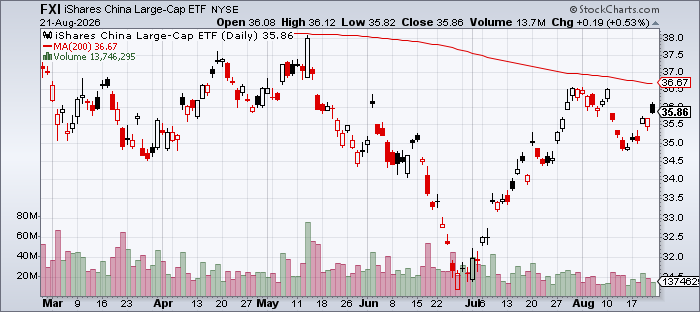
Yet Chinese equities rose 1.9% this week while most developed markets declined. That divergence deserves attention. It suggests that considerable economic pessimism may already be reflected in Chinese asset prices, although improving market performance should not yet be mistaken for evidence that the underlying economy has turned.
3. The campaign against Iran is becoming an economic and market risk
US pressure on Iran is shifting towards economic isolation, with efforts to constrain oil exports, financial links and regional trading channels. The main complication remains China, which continues to provide an important market for Iranian oil and could retaliate if major Chinese companies or financial institutions are targeted.
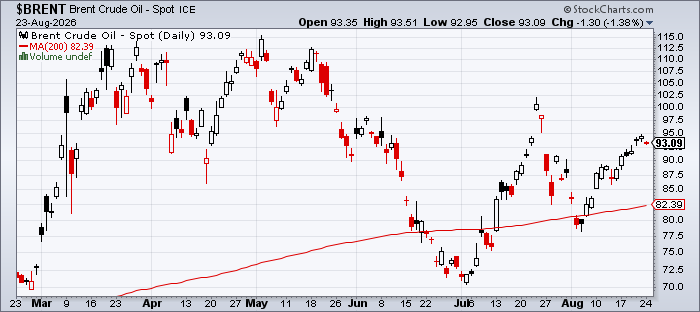
Oil’s 6.1% rise this week, together with a 5.1% gain in gold, suggests markets are taking this risk increasingly seriously. A further escalation could keep energy prices elevated and complicate the inflation outlook, even if global economic growth softens.
4. Europe and Japan continue to offer a credible alternative to US market concentration
European earnings have been stronger than expected, while Japanese corporate profitability is broadening beyond exporters and technology companies towards domestically focused businesses. Both markets therefore have earnings support that is less dependent on the AI capital-spending cycle dominating the US.
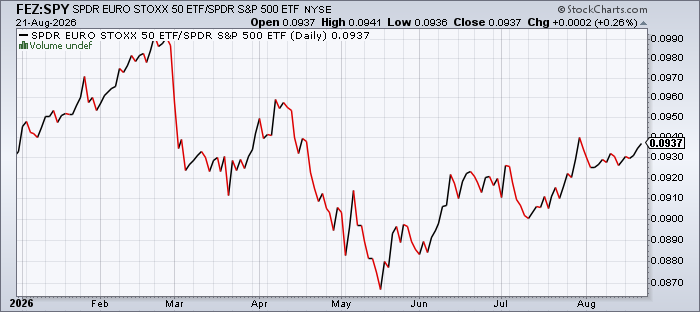
The price action was more nuanced this week: Europe fell only 0.5%, but Japan dropped 3.1%. Even so, the underlying earnings picture strengthens the case for maintaining regional diversification rather than relying excessively on US technology leadership.
Leave a Reply