Equities rebounded broadly: semiconductors gained 9.35%, Japan 3.97%, the Nasdaq 100 3.63% and European equities 3.29%, while China fell 4.47%. However, most equity entries remained negative over one month, while long-dated US Treasuries fell 3.10%, gold lost 4.60% and the dollar index rose 1.13%. The mood was mixed: investors returned to equities, but the accompanying weakness in bonds and strength in the dollar left the recovery vulnerable.
TOP THEMES THIS WEEK
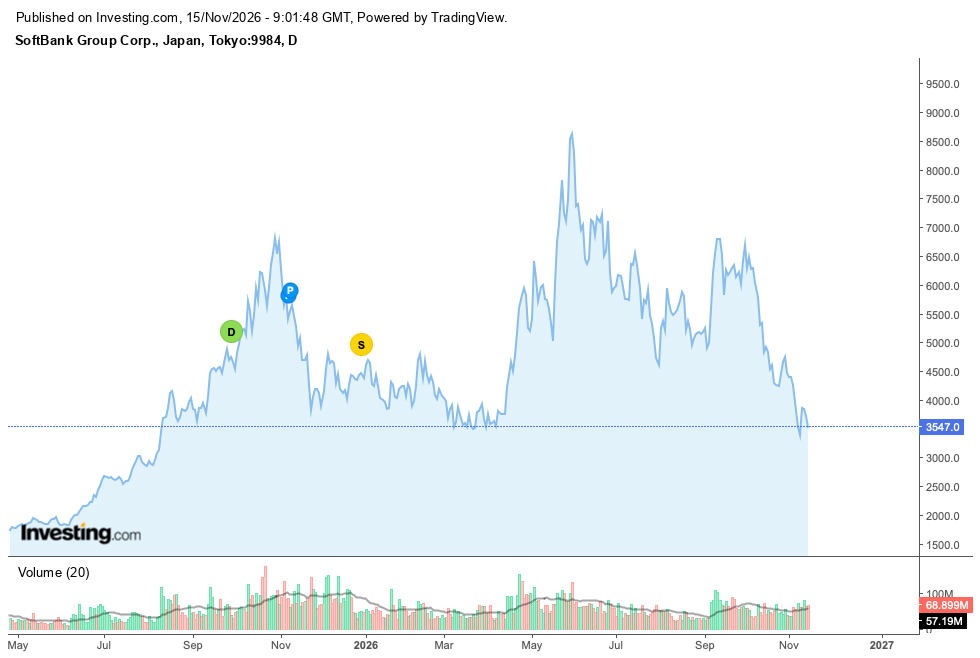
SoftBank’s equipment losses expose the cost of changing AI infrastructure plans
SoftBank reported a US$3.7 billion loss linked to equipment commitments for US AI data centres after revising its plans, contributing to a roughly ¥1.1 trillion quarterly net loss. Investors should distinguish projects with secured power, workable contracts and funding from speculative developments: committing money early to scarce equipment can generate losses even before a facility earns revenue.
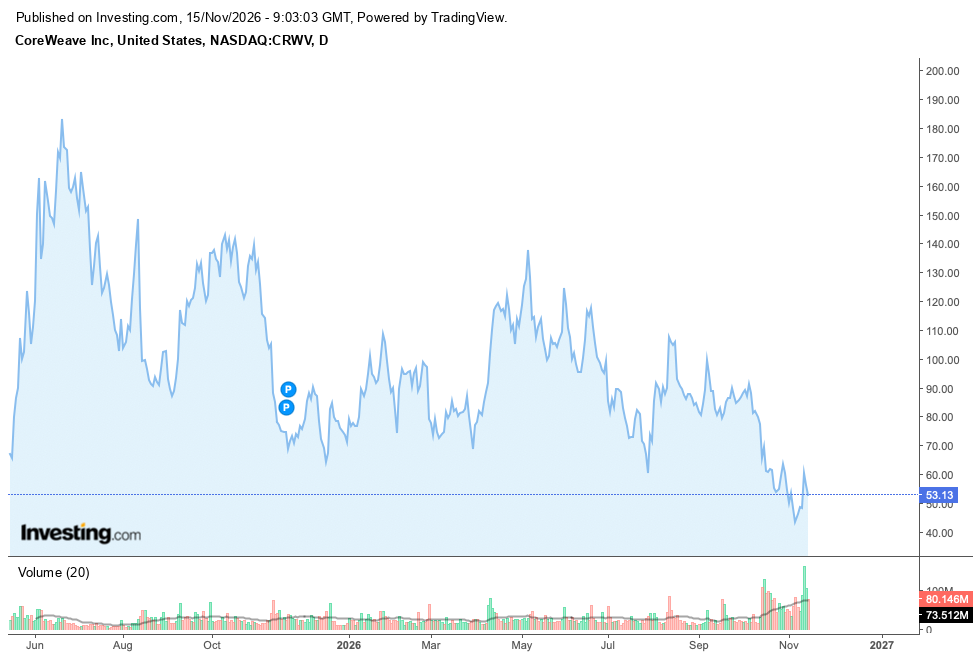
CoreWeave’s revenue growth still falls short of covering financing costs
CoreWeave reported quarterly revenue of US$3.66 billion and a US$132.5 billion contracted revenue backlog, but net interest expense of US$846 million exceeded adjusted operating income of US$379 million and the company recorded a US$709 million net loss. The contrast between strong demand and weak profitability means investors must assess financing costs and delivery obligations alongside sales growth, because the backlog depends on providing the contracted services and does not guarantee profitable returns.
Nvidia’s leadership shock has progressed from an investigation to a CEO transition
Nvidia announced Jensen Huang’s resignation as chief executive and director on 12 November, appointing finance chief Colette Kress as interim CEO while searching for a permanent successor. The transition adds uncertainty over leadership and execution at a central supplier to the AI industry, making continuity in customer commitments and the product roadmap more important than speculation about the underlying allegations.
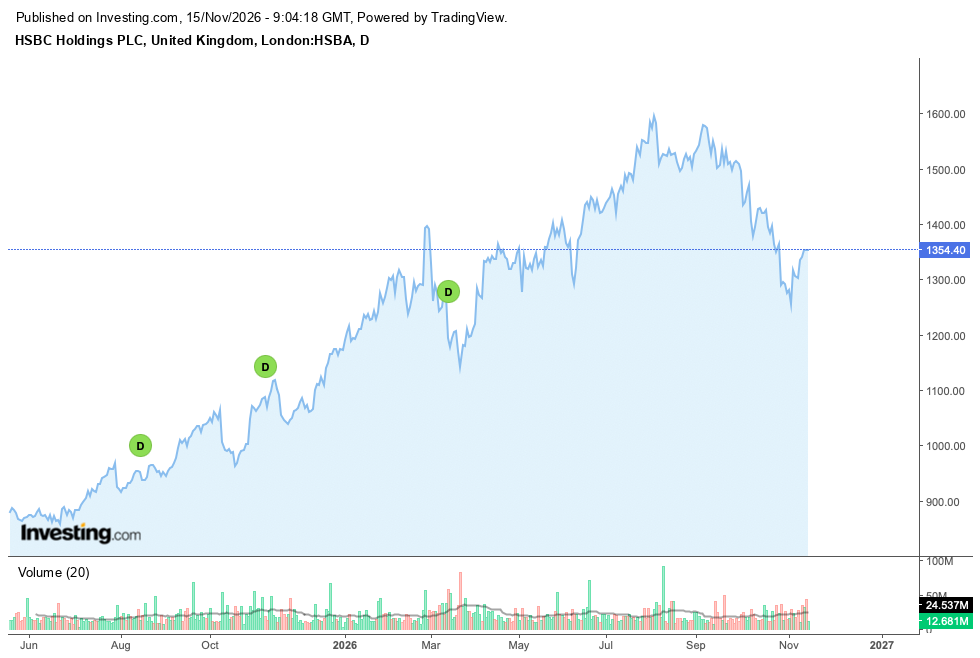
HSBC seeks to transfer loan risk as banks manage capital demands
HSBC is reportedly preparing two transactions that would transfer part of the credit risk on approximately US$7 billion of US and Asia-Pacific corporate loans to investors. These arrangements can free bank capital for further lending, but they redistribute potential losses rather than eliminate them, so the transactions alone are not evidence of deteriorating borrowers or an AI credit crisis.
INVESTMENT IMPLICATIONS
This week supports selectivity within AI exposure: favour businesses that can fund their commitments and convert demand into cash over those whose expansion requires repeated borrowing or share issuance. Europe and US value retained positive weekly and monthly momentum, supporting diversification beyond the technology rebound, although relative price strength alone does not establish attractive valuation. Avoid treating either the equity rally as confirmation that financing concerns have passed or falling bond ETF prices as proof of widening credit spreads—the latter requires separate spread data.
Leave a Reply