Markets were mixed rather than clearly risk-on or risk-off. The S&P 500 and Nasdaq edged higher, but breadth weakened as semiconductors, small caps, Europe and China lagged, while long-dated US Treasuries and the dollar strengthened. Credit remained calm, suggesting caution and rotation rather than a broad retreat from risk.
TOP THEMES THIS WEEK
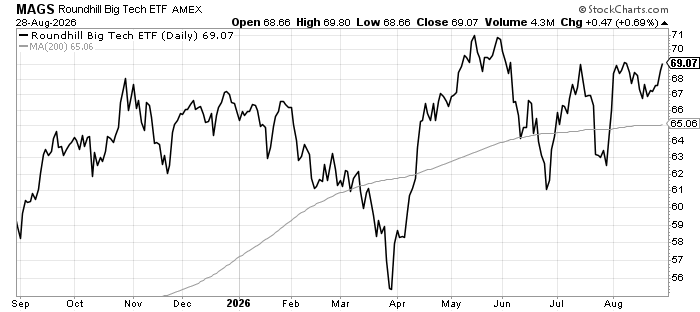
1. AI is shifting from a growth story to a financing and returns story.
The cost of using AI continues to fall, but the cost of building the infrastructure is rising, while hyperscalers are issuing large amounts of debt and investors are beginning to question when the spending will generate meaningful returns. This matters because the market is increasingly likely to differentiate between companies that simply spend heavily on AI and those that can convert that spending into durable profits.
2. Private equity’s liquidity problem is becoming harder to hide.
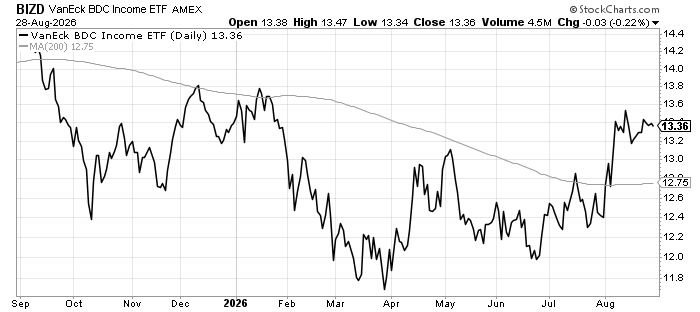
Buyout firms are increasingly using structured equity, dividend recaps and other financing arrangements to return cash to investors because conventional exits remain difficult and holding periods have stretched. These structures provide near-term liquidity, but they may also defer rather than solve the underlying valuation and exit problem, raising questions over the quality of reported distributions. Private credit ETF tracker has broken out of its 20dMA, providing some relief for the time being.
3. European banks are transferring more credit risk to insurers.
Banks are making greater use of synthetic risk-transfer structures to reduce the capital tied up against their loan books, including arrangements where insurers promise to absorb losses without fully funding that commitment upfront. The transactions can improve bank capital efficiency, but they also create additional links between banks and insurers that could amplify stress if corporate defaults rise materially.
4. Geopolitical pressure is increasingly being applied through energy and financial channels.
Saudi Arabia is adapting its oil export routes to ongoing regional disruption, while the US is exploring more aggressive legal mechanisms to seize and sell Iranian oil cargoes. The immediate market effect has been contained, with Brent actually falling this week, but the broader risk is that economic pressure on Iran increasingly shifts towards shipping, sanctions enforcement and third-country financial institutions.
Leave a Reply